If you’ve ever rented or purchased a tuxedo for a wedding, black-tie gala, or corporate awards dinner, you know it’s more than just a piece of clothing—it’s the foundation of someone’s most polished, memorable look. As a tuxedo supplier, I’ve seen firsthand how a little intentional care can turn a one-time event piece into a heirloom that gets passed down, re-altered, and worn for decades. Too often, people treat tuxedos like fancy jackets that only need to be dry cleaned once, but the reality is that their construction (heavy wool, fine linings, delicate stitching) requires specific, consistent care to keep them looking sharp event after event. Whether you’re a first-time tuxedo owner buying for your wedding, a business picking up tuxedos for your team’s annual conference, or someone who owns a family piece to bring to every formal gathering, this guide breaks down the science and small daily habits that will keep your tuxedo looking as sharp as the day you took it home. Tuxedo
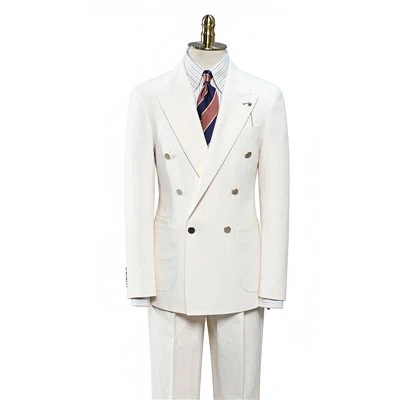
Let’s start with the most common mistake I see: treating dry cleaning like a cure-all for every stain or wrinkle. Tuxedos are almost always made from high-quality worsted wool, a fabric known for its durability and ability to bounce back from shape loss, but it’s also sensitive to harsh chemicals and over-cleaning. The dry cleaning process uses perchloroethylene, a powerful solvent that breaks down oils and stains, but repeated exposure strips wool’s natural lanolin, the waxy coating that keeps the fabric soft, water-resistant, and resistant to pilling. For minor issues—like a light dusting of lint, a coffee splash that only goes through one layer of the shirt, or a small food smudge on the pant leg—you don’t need a full dry clean. I recommend keeping a portable steamer in your closet at home; steam is gentle enough to relax wool fibers and smooth out wrinkles without damaging the fabric. To steam, hang your tuxedo on a sturdy, padded hanger (wire hangers stretch shoulder seams over time, a flaw that’s almost impossible to fix) in a steamy bathroom—turn on the hot shower, close the door, and let the steam build for 10 minutes. For deeper wrinkles, hold the steamer 6 to 8 inches away from the fabric, moving slowly along seams and the edges of lapels to avoid over-wetting. For stains, blot immediately with a clean, white cloth (never rub—that pushes the stain deeper into the fabric) and use a small amount of mild, wool-safe detergent diluted in water for non-oily spots. If the stain is oil-based (like gravy or lotion), sprinkle a small amount of cornstarch or talcum powder on the spot, let it sit for an hour to absorb the oil, then brush it off with a soft-bristled clothes brush before treating with detergent. Only send your tuxedo out for dry cleaning once every 8 to 12 months, or after 3 to 4 wears—any more than that and you’ll start to notice lapels fading, lining fabric pilling, and the overall shape of the jacket becoming limp.
Next, the parts of the tuxedo that people often overlook: the small details that make a huge difference in its lifespan. Let’s talk about the jacket’s buttons, for example. Tuxedo buttons are usually made from real horn, mother-of-pearl, or high-quality resin, not plastic, and they’re sewn with heavy thread that’s designed to hold up under the pressure of pulling the jacket on and off. But every time you wear it, the thread frays a little, and if you don’t check them after each wear, you might lose a button before your next event. I always tell customers to give the buttons a quick tug before putting the jacket away; if any feel loose, re-sew them with a fine nylon thread (cotton thread shrinks and breaks over time) using a few extra stitches, and reinforce the back with a small square of interfacing to distribute pressure. Then there are the lapels—they’re not just for show, they’re the most visible part of the tuxedo, and they get crushed easily when you put the jacket in a car trunk or fold it over a chair. When you’re traveling with your tuxedo (which most people do for weddings or out-of-town events), invest in a canvas garment bag that’s breathable—plastic bags trap moisture and cause mildew, even if you don’t see it right away. Never fold your tuxedo for travel; if you have to stuff it in a suitcase, fold it only once along the side seams (never down the center of the back, where the spine of the jacket is) and add a layer of tissue paper between the lapels to keep them from sticking. When you arrive at your destination, hang it up as soon as possible and use the steamer trick I mentioned earlier to smooth out any travel wrinkles. For the pants, most tuxedo pants have a full or half side seam zipper, so be careful not to catch the fabric when you pull the zipper up or down. After each wear, zip the pants all the way up to prevent the zipper from catching lining or fabric when you put them away. And if you wear a belt with your tuxedo (which we actually recommend against—suspenders are more polished and don’t add bulk around the waist), make sure it’s a slim, formal leather belt; wide belts bunch and make the pants look sloppy, and they can rub against the fabric over time, causing pilling on the front of the pants.
Storing a tuxedo correctly is half the battle when it comes to long-term care, and many people make the mistake of shoving it in the back of a closet and forgetting about it until they need it again. I’ve had customers come to me with tuxedos that were stored in a basement, where temperature and humidity fluctuate wildly—this causes wool to expand and contract, leading to stretched seams and even mildew if there’s any moisture. The ideal storage spot is a cool, dark closet with consistent temperature (between 60 and 70 degrees Fahrenheit) and low humidity (around 40 to 50 percent). If your closet is prone to humidity, add a few silica gel packets (the kind that come in shoe boxes or electronics packaging) to the garment bag—just make sure they’re not directly touching the fabric, as they can absorb too much moisture and dry out the wool. Never use cedar blocks or hangers that have cedar oil on them; while cedar is supposed to repel moths, the oil can stain wool linings over time. Instead, if you’re worried about moths (which love to lay eggs in dark, undisturbed fabric), add a few sachets filled with dried lavender or rosemary—these are natural, non-toxic, and don’t leave stains. When hanging your tuxedo, use a wide, shoulder-padded hanger that matches the shape of your shoulders; a narrow hanger will cause the shoulder seams to sag and create permanent creases. For the pants, hang them on a separate hanger with clips that grip the top of the waistband, not the hem—clamping the hem leaves permanent marks, especially on pleated or cuffed pants. If you fold the pants to save space (only do this if you’re storing them for more than a month), fold them along the inseam, where the seam is least visible, and place a layer of acid-free tissue paper between the legs to prevent creases. Another storage tip: every 3 to 4 months, take your tuxedo out and hang it in a well-ventilated room for 24 hours. This lets any trapped air circulate, prevents mildew, and allows the wool to “breathe,” which keeps it from developing that stale, closet smell.
Wearing a tuxedo might seem straightforward, but there are small habits you can adopt while you’re in it that will extend its lifespan. First, avoid sitting in the same position for too long at events. When you’re at a wedding reception or gala, sitting for hours with your legs crossed or slouching can stretch the fabric of the pants and the back of the jacket. If you need to sit for an extended period, unbutton the jacket first—buttoning it while sitting puts pressure on the buttons and seams, and also causes wrinkles that are hard to smooth out without steaming. And never, ever set a drink on the lapel of your jacket or pants—even if you use a coaster, condensation will soak into the wool, and if it’s a hot drink, the steam will cause water marks that are almost impossible to remove. If you have to set something down, use a side table, not your lap. Another thing to keep in mind: avoid wearing heavy perfumes or cologne near your tuxedo. Alcohol-based scents can stain wool linings and leave a permanent odor that even dry cleaning won’t remove. If you want to wear cologne, apply it to your skin at least 15 minutes before putting on your tuxedo, so it has time to dry and sink in. Also, when you take the jacket off at the end of the night, don’t just drape it over a chair—hold it by the shoulders, shake it gently to release any loose lint, and hang it up right away. This avoids crumpling and keeps the shape of the lapels intact. For the shirt that goes with your tuxedo, make sure it’s a formal, cotton dress shirt, not a casual one, and that it fits perfectly—an ill-fitting shirt will pull at the back of the jacket, causing the seams to stretch over time.
Now, let’s talk about tuxedo alterations, a part of care that’s often overlooked but critical for keeping your tuxedo looking good. If you’ve purchased a tuxedo and it needs to be tailored to fit your body, always use a tailor who specializes in formalwear, not regular clothing. Formal tuxedos are cut differently than everyday suits—lapels are a specific width (usually 3 to 3.5 inches), the jacket is shorter in the body, and the pants have a specific rise to sit at the natural waist. A regular tailor might make alterations that throw off the tuxedo’s original design, making it look less polished. Common alterations include taking in the waist of the jacket, shortening the sleeves, or adjusting the length of the pants. When you get alterations done, make sure the tailor uses matching thread and doesn’t pull too tightly on the fabric, which can cause puckering. For rental tuxedos, the care is a little different, but the same rules apply—don’t dry clean a rental tuxedo unless it’s visibly dirty, because rental houses clean them multiple times a year, and over-cleaning wears them out faster. When returning a rental tuxedo, brush off any loose lint, wipe down any small stains with a damp cloth, and hang it up properly in the garment bag provided—this helps the rental house maintain the tuxedo for other customers, and means you won’t be charged extra for unnecessary cleaning.
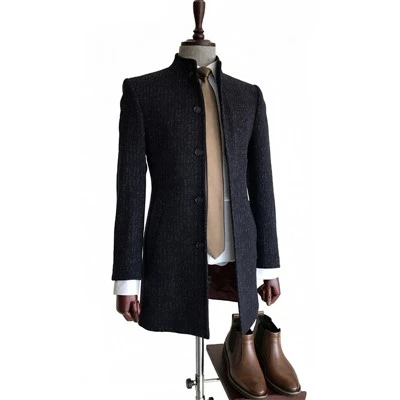
At the end of the day, a tuxedo is an investment—whether you’re buying one for your wedding that you plan to wear again for formal events, or a business purchasing a set for your team’s quarterly galas, taking care of it will save you money in the long run. I’ve seen tuxedos that have been in families for 50 years, still looking sharp because their owners took the time to follow these simple steps. If you’re in the market for a new tuxedo, or have questions about caring for the one you already own, we’re here to help. Whether you need to pick up a custom tuxedo for an upcoming event, or want to learn more about how to extend the life of your current piece, our team can walk you through every step, from initial purchase to long-term care guidelines. Feel free to reach out to our team to discuss your tuxedo needs, no matter how big or small.
Overcoat References:
- Textile Institute. (2020). Care Guidelines for Wool Formalwear. Journal of Textile Care and Preservation, 12(2), 45-58.
- American Tailors Association. (2021). Best Practices for Formalwear Alterations and Maintenance. Tailoring & Formalwear Standards Quarterly, 8(4), 112-127.
- Woolmark Company. (2019). The Science of Wool Care: Keeping Fine Wool Garments in Prime Condition. Wool Industry Research Report, 1-32.
- National Laundry and Cleaners Association. (2022). Dry Cleaning Best Practices for Fine Formalwear. Clean Care Magazine, 17(3), 22-30.
Ningbo Mantinno Fashion Co., Ltd.
As one of the most professional tuxedo manufacturers and suppliers in China, we also support customized service. Welcome to wholesale bulk high quality tuxedo in stock here from our factory. If you have any enquiry about quotation, please feel free to email us.
Address: Huijin Building, No.77 Heyi Road, Haishu District, Ningbo, Zhejiang, China
E-mail: helen@mantinno.com
WebSite: https://www.mantinnosuit.com/
