A laser processing machine is a highly sophisticated and valuable piece of equipment widely used in various industries, including manufacturing, automotive, and aerospace. Given its importance and the potential disruptions that can occur during operation, having a reliable backup system is crucial. As a supplier of laser processing machines, I’d like to take this opportunity to delve into the details of what a backup system for a laser processing machine entails and why it’s essential. Laser Processing Machine

Understanding the Basics of a Laser Processing Machine
Before we discuss the backup system, it’s important to have a basic understanding of how a laser processing machine works. A laser processing machine uses a high – energy laser beam to cut, engrave, or weld materials. The key components of a typical laser processing machine include a laser source, optical system, control unit, and mechanical structure.
The laser source generates the laser beam, which is then focused and directed onto the workpiece through the optical system. The control unit manages the entire operation of the machine, including the movement of the laser head, the power output of the laser, and the coordination with other peripheral devices. The mechanical structure provides a stable platform for the processing operation.
The Need for a Backup System
There are several reasons why a backup system is necessary for a laser processing machine:
Equipment Failures
Like any other mechanical and electrical equipment, laser processing machines are prone to failures. Components such as the laser source, optical fibers, and power supplies can malfunction due to various reasons, including wear and tear, overheating, or electrical surges. When a critical component fails, the machine may stop working, leading to production delays and potential losses. A backup system can help minimize the impact of such failures.
Power Outages
Power outages are an inevitable part of any electrical infrastructure. A sudden loss of power can cause the laser processing machine to stop abruptly, which may damage the workpiece being processed. It can also lead to data loss in the control unit, making it difficult to resume the operation from where it left off. A backup power system can ensure that the machine can continue to operate during a short – term power outage or shut down safely in a controlled manner.
Data Loss and Software Errors
The control unit of a laser processing machine stores a large amount of data, including processing parameters, programming codes, and operating logs. Data loss can occur due to software glitches, hard drive failures, or human errors. In addition, software errors can cause the machine to malfunction or produce inaccurate results. A backup system for data and software can ensure that the lost data can be restored and the software can be recovered in case of an issue.
Components of a Backup System for a Laser Processing Machine
Backup Power Supply
A backup power supply is one of the most critical components of the backup system. Uninterruptible Power Supplies (UPS) are commonly used in laser processing machines. A UPS can provide immediate power when the main power supply fails, allowing the machine to continue operating for a short period. This gives the operator enough time to complete the current processing task or shut down the machine safely.
There are two main types of UPS: offline and online. Offline UPS, also known as standby UPS, provides power only when the main power fails. It is relatively inexpensive but has a short transfer time and may not be suitable for high – precision laser processing machines. Online UPS, on the other hand, continuously supplies power from a battery – based inverter, even when the main power is available. It provides a more stable power supply and has a shorter transfer time, making it more suitable for sensitive laser processing equipment.
Backup Laser Source
In high – end laser processing machines, a backup laser source can be installed. This is especially important for applications where continuous operation is required, such as in mass production. When the primary laser source fails, the backup laser source can be quickly activated to take over the processing task. This reduces the downtime and ensures the continuity of production.
However, installing a backup laser source is usually expensive, and it requires additional space and maintenance. Therefore, it is mainly used in critical applications where the cost of downtime is extremely high.
Data Backup System
A data backup system is essential to protect the valuable data stored in the control unit of the laser processing machine. Regular data backups can be performed using external hard drives, magnetic tapes, or cloud – based storage services.
External hard drives are a convenient and cost – effective option for small – scale data backup. They offer high storage capacity and can be easily connected to the control unit for data transfer. Magnetic tapes, on the other hand, are suitable for long – term data storage and large – scale data backup. They have a relatively long lifespan and can store a large amount of data.
Cloud – based storage services are becoming increasingly popular for data backup in laser processing machines. They offer the advantage of remote access, data redundancy, and automatic backup. In addition, they eliminate the need for on – site storage devices, reducing the risk of data loss due to physical damage or theft.
Software Backup and Recovery
The software used in the control unit of a laser processing machine is just as important as the hardware. Software backups should be performed regularly to ensure that the latest version of the software can be restored in case of a failure.
Most modern laser processing machines come with software recovery tools that allow the operator to reinstall the software in the event of a system crash. In addition, some manufacturers provide software update services to ensure that the machine is always running the latest version of the software, which may include bug fixes and performance improvements.
Implementing a Backup System
Implementing a backup system for a laser processing machine requires careful planning and consideration. Here are some steps to follow:
Assess the Risks
The first step is to assess the risks that the machine may face. This includes identifying potential equipment failures, power outages, and data loss scenarios. By understanding the risks, you can determine the type and level of backup system required.
Choose the Right Components
Based on the risk assessment, choose the appropriate components for the backup system. This includes selecting the right backup power supply, backup laser source (if necessary), data backup method, and software backup solution. Consider factors such as cost, reliability, and ease of use when making your choices.
Develop a Backup Plan
Create a detailed backup plan that outlines the procedures for backing up data, testing the backup system, and recovering from a failure. The backup plan should also include a schedule for regular backups and maintenance of the backup system.
Train the Operators
Ensure that the operators of the laser processing machine are trained on how to use the backup system effectively. This includes understanding how to operate the backup power supply, restore data from the backup, and recover the software.
Benefits of a Good Backup System
Investing in a reliable backup system for a laser processing machine offers several benefits:
Minimized Downtime
The most significant benefit of a backup system is the ability to minimize downtime. In the event of a failure, the backup system can quickly take over the operation, allowing the machine to resume production as soon as possible. This reduces the impact on production schedules and helps to maintain customer satisfaction.
Improved Data Security
A data backup system ensures that the valuable data stored in the control unit is protected. In case of data loss, the backup data can be easily restored, preventing disruptions to the production process.
Enhanced Equipment Lifespan
By providing a stable power supply and protecting the machine from sudden power outages and other electrical disturbances, a backup system can help extend the lifespan of the laser processing machine. This reduces the need for frequent repairs and replacements, saving costs in the long run.
Conclusion
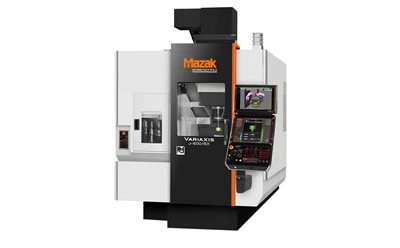
As a supplier of laser processing machines, I understand the importance of having a reliable backup system. A backup system can protect your investment in the laser processing machine, minimize downtime, and ensure the continuity of production. Whether you are a small – scale manufacturer or a large – scale industrial enterprise, it is essential to consider implementing a comprehensive backup system for your laser processing machine.
5-axis Machining Centers If you are interested in learning more about laser processing machines and their backup systems, or if you are looking to purchase a high – quality laser processing machine for your business, I encourage you to contact us for further discussion. Our team of experts is ready to provide you with customized solutions based on your specific needs and requirements.
References
- "Laser Processing Technology" by John Wiley & Sons
- "Industrial Laser Systems Handbook" by CRC Press
- Technical documents provided by leading laser processing machine manufacturers.
Hermens Industrial Co., Ltd.
As one of the most professional laser processing machine enterprises in China, we’re featured by quality products and low price. Please rest assured to buy cheap laser processing machine in stock here and get quotation from our factory. We also accept customized orders.
Address: 9/59 Moo 14, Rachathewa , Bang Phli , Samut Prakan Province 10540
E-mail: liu_jincheng@hzhemen.com
WebSite: https://www.hermensindustrial.com/
