Hey there! I’m a supplier of Aluminum Composite Panels (ACPs), and I often get asked about the maximum bending radius for these panels. It’s a crucial question, especially for architects, designers, and contractors who want to create unique and curved structures. So, let’s dive into this topic and find out what the deal is with the maximum bending radius for ACPs. Aluminum Composite Panel
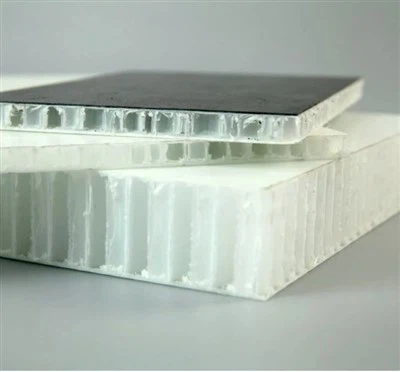
First off, let’s understand what we mean by the bending radius. The bending radius is the minimum radius at which a panel can be bent without causing damage, like cracking or delamination. It’s a key factor when you’re planning to use ACPs for curved surfaces, whether it’s for a building facade, interior partitions, or signage.
Now, the maximum bending radius for ACPs isn’t a one – size – fits – all number. It depends on a few different things.
Thickness of the Panel
One of the biggest factors that affect the bending radius is the thickness of the ACP. Generally speaking, thinner panels can be bent with a smaller radius compared to thicker ones. For example, a 3mm thick ACP can usually be bent with a smaller radius than a 6mm thick panel.
Let me break it down a bit. Thinner panels are more flexible because they have less material to resist the bending force. When you try to bend a thick panel with a small radius, the outer layer of the panel has to stretch more, and the inner layer has to compress more. This can put a lot of stress on the panel, leading to damage.
So, if you’re looking for a tight curve, you might want to go for a thinner panel. But keep in mind that thinner panels might not be as strong or durable as thicker ones, so it’s a trade – off.
Core Material
The core material of the ACP also plays a huge role in determining the bending radius. Most ACPs have a polyethylene (PE) or fire – retardant (FR) core.
PE core ACPs are more flexible and can usually be bent with a smaller radius. The polyethylene material has a certain degree of elasticity, which allows it to deform without breaking easily. On the other hand, FR core ACPs are designed to be more fire – resistant, and they tend to be a bit stiffer. This means that they usually require a larger bending radius.
If you’re working on a project where flexibility is key, a PE core ACP might be your best bet. But if fire safety is a major concern, you’ll have to go with an FR core and adjust your bending radius accordingly.
Bending Method
The way you bend the ACP also affects the maximum bending radius. There are two main methods: cold bending and hot bending.
Cold bending is the most common method. It involves bending the panel at room temperature using a bending machine or by hand. Cold bending is relatively simple and doesn’t require any special equipment. However, the bending radius is usually limited because the panel is more rigid at room temperature.
Hot bending, on the other hand, involves heating the panel to make it more flexible. This allows for a smaller bending radius. But hot bending requires special equipment, like a heating oven, and it’s a more complex process. You also have to be careful not to overheat the panel, which can damage the core material.
Manufacturer’s Recommendations
Every ACP manufacturer has their own recommendations for the maximum bending radius. These recommendations are based on extensive testing and research. It’s really important to follow these guidelines because they ensure that the panel will perform as expected and won’t get damaged during the bending process.
When you’re buying ACPs from us, we’ll provide you with all the technical data, including the recommended bending radius. And if you have any questions, our team of experts is always here to help.
Real – World Examples
Let me give you some real – world examples to help you understand the concept better. Say you’re designing a modern building with a curved facade. If you use a 4mm thick PE core ACP and cold bend it, you might be able to achieve a bending radius of around 1000mm. But if you use a 6mm thick FR core ACP and try to cold bend it, you might need a bending radius of 2000mm or more.
If you decide to go for hot bending, you can reduce the bending radius significantly. For example, with a 3mm thick PE core ACP, you might be able to achieve a bending radius of 500mm or less using hot bending.
Importance of Correct Bending
Getting the bending radius right is super important. If you try to bend the panel with a radius that’s too small, you can cause a lot of problems. The panel might crack, delaminate, or lose its structural integrity. This not only looks bad but can also be a safety hazard.
On the other hand, if you use a bending radius that’s too large, you might not be able to achieve the design you want. So, it’s all about finding that sweet spot.
Tips for Bending ACPs
Here are some tips to help you get the best results when bending ACPs:
- Plan ahead: Before you start bending, make sure you have a clear idea of the bending radius you need. Consider the factors we talked about, like panel thickness, core material, and bending method.
- Use the right tools: Whether you’re cold bending or hot bending, make sure you have the right equipment. A good bending machine can make a big difference.
- Test first: If you’re not sure about the bending radius, it’s a good idea to do a test bend on a small piece of the panel. This will help you see how the panel behaves and make any necessary adjustments.
Conclusion
So, to sum it up, the maximum bending radius for Aluminum Composite Panels depends on the panel thickness, core material, bending method, and the manufacturer’s recommendations. By understanding these factors and following the right procedures, you can achieve the perfect curve for your project.
Wood Honeycomb Panel If you’re interested in using Aluminum Composite Panels for your next project and have questions about the bending radius or anything else, don’t hesitate to reach out. We’re here to help you find the best solutions for your needs. Whether you’re an architect, designer, or contractor, we can provide you with high – quality ACPs and the technical support you need. Let’s work together to bring your vision to life!
References
- Technical manuals from various ACP manufacturers
- Industry research on the properties and bending capabilities of Aluminum Composite Panels
Zhejiang Jusen Building Materials Technology Co., Ltd.
We’re well-known as one of the leading aluminum composite panel manufacturers and suppliers in China, also support custom service. Please feel free to wholesale high quality aluminum composite panel made in China here from our factory. For more information, contact us now.
Address: No.7, Tongyuan Shiquan Industrial Park, Haiyan County, Jiaxing City, Zhejiang Province
E-mail: sales@jusenzj.com
WebSite: https://www.honeycomb-js.com/
