Decorative expanded metal has gained significant popularity in various industries due to its unique aesthetic appeal and versatility. As a supplier of decorative expanded metal, I often encounter questions from customers regarding its durability. In this blog post, I will delve into the factors that determine the durability of decorative expanded metal, explore its applications, and provide insights into how to ensure its long – term performance. Decorative Expanded Metal

Understanding Decorative Expanded Metal
Decorative expanded metal is created by slitting and stretching a solid metal sheet, resulting in a pattern of diamond – shaped or other geometric openings. This process not only gives the metal a distinctive appearance but also enhances its mechanical properties. The most commonly used metals for decorative expanded metal include stainless steel, aluminum, and carbon steel, each offering different levels of durability and corrosion resistance.
Factors Affecting the Durability of Decorative Expanded Metal
1. Material Selection
- Stainless Steel: Stainless steel is a top choice for applications where durability and corrosion resistance are crucial. It contains chromium, which forms a passive oxide layer on the surface, protecting the metal from rust and corrosion. Different grades of stainless steel offer varying degrees of resistance. For example, 304 stainless steel is widely used for general applications, while 316 stainless steel, with its higher molybdenum content, provides enhanced resistance to chloride – containing environments, making it suitable for marine applications.
- Aluminum: Aluminum is lightweight, corrosion – resistant, and has a good strength – to – weight ratio. It forms a natural oxide layer that protects it from corrosion. However, it is not as strong as stainless steel or carbon steel. Aluminum is often used in decorative applications where weight is a concern, such as in architectural facades or interior design elements.
- Carbon Steel: Carbon steel is known for its high strength and low cost. However, it is prone to corrosion, especially in environments with high humidity or exposure to chemicals. To enhance its durability, carbon steel decorative expanded metal can be galvanized or coated with a protective finish, such as powder coating or paint.
2. Manufacturing Process
The quality of the manufacturing process also plays a significant role in the durability of decorative expanded metal. A well – made expanded metal will have clean, precise slits and a uniform pattern. Any defects in the slitting or stretching process can weaken the metal and reduce its lifespan. At our company, we use state – of – the – art manufacturing equipment and strict quality control measures to ensure that our decorative expanded metal meets the highest standards.
3. Environmental Conditions
The environment in which the decorative expanded metal is installed has a major impact on its durability. In outdoor applications, exposure to UV rays, moisture, and pollutants can cause the metal to degrade over time. For example, in coastal areas, the high salt content in the air can accelerate corrosion. In industrial environments, exposure to chemicals or high – temperature conditions may also affect the metal’s performance.
Applications and Durability Requirements
Decorative expanded metal is used in a wide range of applications, each with its own durability requirements.
1. Architectural Applications
In architecture, decorative expanded metal is used for facades, balustrades, sunshades, and interior partitions. For exterior facades, durability is of utmost importance as the metal is exposed to the elements. High – quality stainless steel or galvanized carbon steel is often selected to ensure long – term performance. These metals can withstand harsh weather conditions, including rain, wind, and sunlight, without significant deterioration.
Balustrades and handrails made of decorative expanded metal need to be strong and durable to provide safety. They should be able to withstand regular use and accidental impacts. Aluminum can be a good choice for interior balustrades, while stainless steel is more suitable for exterior applications.
2. Interior Design
In interior design, decorative expanded metal is used for decorative panels, room dividers, and ceiling features. The durability requirements are generally less stringent compared to exterior applications. However, the metal should still be able to resist scratches and maintain its appearance over time. Powder – coated aluminum or stainless steel can be used to achieve a combination of aesthetics and durability.
3. Industrial Applications
In industrial settings, decorative expanded metal may be used for machine guards, ventilation screens, and filtration systems. These applications require high – strength and corrosion – resistant materials. Stainless steel is often the preferred choice due to its ability to withstand harsh industrial environments, including exposure to chemicals and high temperatures.
Ensuring the Durability of Decorative Expanded Metal
1. Appropriate Material Selection
As mentioned earlier, choosing the right material for the specific application is crucial. Consider the environmental conditions, load requirements, and aesthetic preferences when selecting the metal. If corrosion is a concern, stainless steel or aluminum may be more suitable. For applications that require high strength, carbon steel with proper protective coatings can be a good option.
2. Proper Installation
Proper installation is essential for the long – term durability of decorative expanded metal. The metal should be installed securely to prevent movement or vibration, which can cause stress and damage to the material. Follow the manufacturer’s installation guidelines carefully, and ensure that all fasteners are tightened properly.
3. Regular Maintenance
Regular maintenance can significantly extend the lifespan of decorative expanded metal. For stainless steel, periodic cleaning with mild soap and water can help remove dirt and debris, and prevent the buildup of contaminants that may lead to corrosion. Aluminum can be cleaned with a non – abrasive cleaner. For painted or powder – coated surfaces, touch – up any scratches or chips to prevent rust from forming.
Case Studies
Let’s look at a few real – world examples to illustrate the durability of decorative expanded metal.
Case 1: A Coastal Building Facade
A high – rise building located on the coast used stainless steel decorative expanded metal for its facade. Despite being exposed to the harsh marine environment, including salt spray and high humidity, the expanded metal has maintained its integrity for over a decade. The use of 316 stainless steel, known for its excellent corrosion resistance, has ensured that the facade remains free of rust and retains its aesthetic appeal.
Case 2: An Interior Room Divider
In an office building, an aluminum powder – coated decorative expanded metal room divider was installed. The smooth finish of the powder coating has protected the aluminum from scratches, and the lightweight metal has withstood the occasional bumps and knocks. After several years of use, the room divider still looks as good as new.
Conclusion
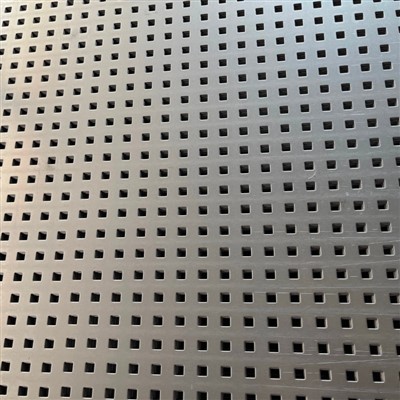
In conclusion, decorative expanded metal can be highly durable if the right material is selected, the manufacturing process is of high quality, and proper installation and maintenance practices are followed. Whether it is used in architectural, interior design, or industrial applications, decorative expanded metal offers a unique combination of aesthetics and functionality.
Slotted Perforated Metal As a supplier of decorative expanded metal, I am confident in the durability of our products. We offer a wide range of materials and finishes to meet the diverse needs of our customers. If you are considering using decorative expanded metal in your next project, I encourage you to contact us to discuss your requirements. Our team of experts can help you select the most suitable product and provide guidance on installation and maintenance. Let’s work together to create a durable and visually appealing solution for your project.
References
- ASM Handbook Volume 13C: Corrosion: Stainless Steels, ASM International
- Aluminum Assocation. Aluminum Design Manual.
- The Steel Construction Institute. Steel Designers’ Manual.
Anping Yilida Metal Wire Mesh Co., Ltd.
Anping Yilida Metal Wire Mesh Co., Ltd. is one of the most reliable decorative expanded metal manufacturers and suppliers in China, also supports customized service. Please feel free to buy bulk high quality decorative expanded metal made in China here from our factory.
Address: Wire Mesh Development Zone, Anping, Hebei Province, China
E-mail: sales@wiremesh-yg.cn
WebSite: https://www.yilidametal.com/
