Can an IoT Remote Water Meter be used in airports?
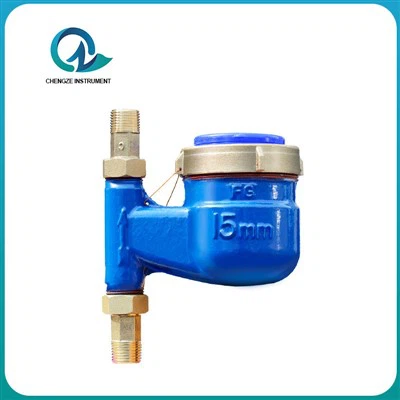
As a supplier of IoT remote water meters, I’ve often been asked about the applicability of our products in various settings. One question that comes up frequently is whether an IoT remote water meter can be used in airports. In this blog post, I’ll delve into this topic, exploring the potential uses, benefits, and challenges of using IoT remote water meters in airport environments. IoT Remote Water Meter
The Need for Water Management in Airports
Airports are large – scale, complex facilities that consume a significant amount of water. From restrooms and food service areas to runway de – icing and landscaping, water is a crucial resource. Effective water management in airports is not only essential for cost – control but also for environmental sustainability. Traditional water meters require manual reading, which is time – consuming and can lead to inaccuracies. Moreover, it may take a while to detect leaks or abnormal water usage patterns, which can result in significant water waste and increased costs.
How IoT Remote Water Meters Work
IoT remote water meters are equipped with sensors and communication modules. These sensors measure water flow, pressure, and other relevant data in real – time. The data is then transmitted wirelessly to a central server or a cloud – based platform. Using a dedicated software application, airport management can access this data from anywhere, at any time. This allows for continuous monitoring of water consumption across the airport’s various facilities.
Benefits of Using IoT Remote Water Meters in Airports
1. Real – Time Monitoring
One of the most significant advantages of IoT remote water meters is real – time monitoring. Airport operators can track water usage in different areas of the airport, such as terminals, hangars, and parking lots. For example, if there is a sudden increase in water consumption in a particular restroom, it could indicate a leak. With real – time data, maintenance teams can be dispatched immediately to fix the problem, reducing water waste and potential damage to the infrastructure.
2. Cost Savings
By accurately monitoring water consumption, airports can identify areas where water is being wasted and take corrective actions. This can lead to significant cost savings in the long run. Additionally, with real – time data on water usage, airports can better forecast their water needs and negotiate better deals with water suppliers.
3. Data – Driven Decision Making
The data collected by IoT remote water meters can be analyzed to identify trends and patterns in water consumption. Airport management can use this information to develop more efficient water management strategies. For example, if data shows that water usage in the food service areas is higher during peak flight hours, appropriate measures can be taken to optimize the water consumption during these times.
4. Environmental Sustainability
In today’s world, environmental sustainability is a top priority for many organizations, including airports. By reducing water waste, airports can contribute to a more sustainable future. IoT remote water meters help airports achieve this goal by enabling them to monitor and manage their water consumption more effectively.
Challenges and Considerations
1. Installation and Integration
Installing IoT remote water meters in an airport requires careful planning. Airports have complex plumbing systems, and the meters need to be installed in a way that does not disrupt normal operations. Additionally, the meters need to be integrated with the airport’s existing management systems, such as the building management system (BMS). This may require technical expertise and coordination between different departments.
2. Security
As IoT devices are connected to the internet, security is a major concern. Airport networks are highly secure, and any IoT device connected to them needs to meet strict security standards. The data transmitted by the water meters contains sensitive information about the airport’s water consumption, and it is crucial to protect this data from unauthorized access and cyber – attacks.
3. Maintenance and Support
Like any other technology, IoT remote water meters require regular maintenance and support. Airport operators need to ensure that the meters are functioning properly and that the data is being transmitted accurately. This may require training the airport staff on how to operate and maintain the meters or partnering with a reliable service provider.
Case Studies
Although there are not as many well – publicized case studies specifically about airports using IoT remote water meters, similar large – scale facilities have seen great success. For example, some shopping malls have installed IoT water meters to manage their water consumption. By using real – time data, they were able to detect and fix leaks quickly, resulting in a significant reduction in water bills. Airports, with their similar need for efficient resource management, can expect similar benefits.
Conclusion
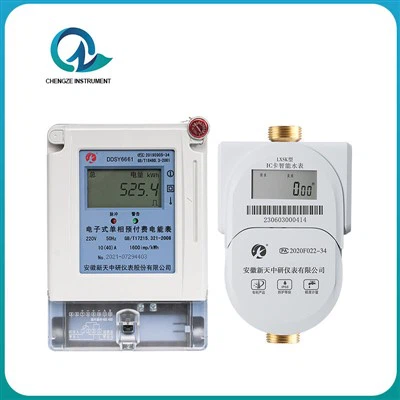
In conclusion, IoT remote water meters can indeed be used in airports. The benefits of real – time monitoring, cost savings, data – driven decision – making, and environmental sustainability far outweigh the challenges. While there are installation, security, and maintenance considerations, with proper planning and the right partners, these challenges can be overcome.
Ultrasonic Water Meter If you’re an airport operator or involved in airport management and are interested in learning more about how our IoT remote water meters can help you manage your water resources more effectively, I encourage you to reach out. We have a team of experts ready to discuss your specific needs and provide customized solutions. Let’s work together to make your airport more efficient and sustainable.
References
- "Smart Water Management: Technologies and Applications" – A comprehensive book on the latest technologies in water management, including IoT – based solutions.
- Industry reports on the adoption of IoT in the facilities management sector, which provide insights into the benefits and challenges of using IoT devices in large – scale buildings.
Shandong Chengze Instrument Co., Ltd.
We’re well-known as one of the leading iot remote water meter manufacturers in China, featured by quality products and good service. Please rest assured to buy high-grade iot remote water meter for sale here from our factory. Also, customized service is available.
Address: No.7, Wensi Road North Industrial Park, Liguan Town, Lanshan District, Linyi City, Shandong Province, China
E-mail: czwatermeter@163.com
WebSite: https://www.cz-watermeter.com/
