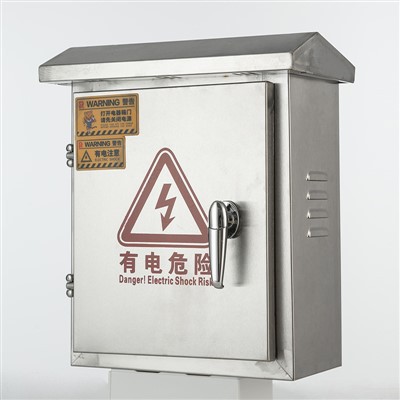
Hey there! I’m a supplier of electrical enclosures, and I’ve seen firsthand how important it is to keep these things in tip – top shape. Electrical enclosures are like the guardians of your electrical components, protecting them from all sorts of nasties like dust, water, and even physical damage. So, let’s dive into how you can maintain an electrical enclosure. Electrical Enclosure

Regular Inspections
First off, regular inspections are a must. You can’t just set it and forget it. I usually recommend checking your electrical enclosures at least once a month, but if they’re in a harsh environment, you might want to do it more often.
When you’re doing an inspection, start by looking at the exterior. Check for any signs of physical damage like dents, scratches, or cracks. Even a small crack can let in dust and moisture, which can spell trouble for the electrical components inside. If you find any damage, it’s important to fix it right away. You can use a suitable filler for small cracks, but for more serious damage, you might need to replace the enclosure.
Next, take a look at the seals. The seals are what keep the outside elements out. Over time, they can wear out, dry up, or get damaged. Check for any gaps or signs of deterioration. If the seals aren’t doing their job, it’s time to replace them. Make sure you get the right type of seals for your enclosure. There are different seals for different levels of protection, so do your research.
Also, check the hinges and latches. They need to be in good working order. If the hinges are loose or the latches don’t close properly, the enclosure won’t be secure. Tighten any loose screws and lubricate the hinges if necessary.
Cleaning
Cleaning is another crucial part of maintaining an electrical enclosure. Dust and dirt can build up over time, and if it gets inside the enclosure, it can cause problems like short – circuits.
For the exterior, you can use a soft cloth and a mild cleaning solution. Just wipe it down gently to remove any dirt or grime. Avoid using abrasive cleaners or tools, as they can scratch the surface of the enclosure.
When it comes to the interior, be extra careful. You don’t want to accidentally damage any of the electrical components. Use a compressed air can to blow out any dust. Start from the top and work your way down. Make sure you get into all the nooks and crannies. If there’s a lot of dust, you might need to use a vacuum cleaner with a soft brush attachment. But be really careful not to touch any live wires.
Temperature and Humidity Control
Electrical components are sensitive to temperature and humidity. If the temperature inside the enclosure gets too high, it can cause the components to overheat and fail. Similarly, high humidity can lead to corrosion.
To control the temperature, you can install a fan or a heat exchanger. A fan helps to circulate the air inside the enclosure, while a heat exchanger transfers the heat from the inside to the outside. Make sure you choose the right size and type for your enclosure.
For humidity control, you can use a desiccant. A desiccant is a substance that absorbs moisture. You can place it inside the enclosure to keep the humidity levels down. Just make sure to replace it regularly, as it will eventually become saturated.
Electrical Connections
The electrical connections inside the enclosure need to be checked regularly. Loose connections can cause arcing, which can lead to fires or damage to the components.
Inspect the wires and terminals for any signs of corrosion or damage. If you see any, clean the connections with a wire brush and apply a suitable anti – corrosion compound. Tighten any loose connections, but be careful not to over – tighten, as this can damage the wires or terminals.
Documentation
It’s a good idea to keep a record of all your maintenance activities. This includes the dates of inspections, cleaning, and any repairs or replacements. Documentation helps you to keep track of the condition of the enclosure over time. It can also be useful if you need to prove that you’ve been maintaining the enclosure properly, for example, in case of an insurance claim.
Training
If you have employees who work with the electrical enclosures, make sure they’re properly trained. They should know how to do basic inspections, cleaning, and how to identify potential problems. Training can help prevent accidents and ensure that the enclosures are maintained correctly.
Upgrades
As technology advances, you might want to consider upgrading your electrical enclosures. Newer enclosures often have better features like improved seals, better ventilation, and more advanced protection against environmental factors. Upgrading can help to extend the lifespan of your electrical components and improve the overall performance of your system.
Conclusion
Maintaining an electrical enclosure is not a one – time thing. It’s an ongoing process that requires regular attention. By following these tips, you can keep your electrical enclosures in good condition, protect your electrical components, and avoid costly breakdowns.
Meter Box If you’re in the market for electrical enclosures or need more advice on maintenance, don’t hesitate to reach out. We’re here to help you find the right solutions for your needs. Whether you’re looking for a standard enclosure or a custom – made one, we’ve got you covered. Let’s have a chat about your requirements and see how we can work together.
References
- Electrical Equipment Maintenance Handbook
- National Electrical Code (NEC)
- Manufacturer’s manuals for electrical enclosures
Shandong Qinghua Yike Electric Co., Ltd.
As one of the most experienced electrical enclosure manufacturers in China, we also support customized service. We warmly welcome you to buy durable electrical enclosure for sale here from our factory. If you have any enquiry about cooperation, please feel free to email us.
Address: No. 378 Taozhuang Village, Zaoyuan Town, Lanshan District, Linyi City, Shandong Province
E-mail: admin@sd-qhyk.com
WebSite: https://www.qhecobox.com/
