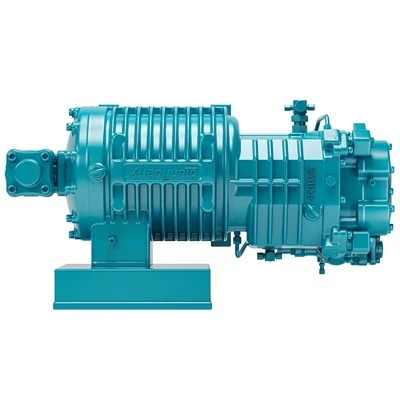
In the industrial landscape, screw compressor units are pivotal in a wide range of applications, from manufacturing plants to energy – intensive facilities. As a supplier of screw compressor units, I understand the critical importance of efficiency in these machines. Improving the efficiency of a screw compressor unit not only enhances performance but also significantly reduces production costs. Here, I’ll share some valuable insights and strategies on how to achieve this goal. Screw Compressor Unit
1. Regular Maintenance and Servicing
One of the most fundamental steps in improving the efficiency of a screw compressor unit is regular maintenance. Just like any other mechanical equipment, screw compressors require consistent care to operate at their best. Routine maintenance helps in identifying and rectifying potential issues before they escalate into major problems, which could lead to costly breakdowns and reduced efficiency.
Firstly, it is essential to check and replace air and oil filters at recommended intervals. Clogged filters restrict the flow of air and oil, forcing the compressor to work harder to achieve the desired pressure. This extra effort not only consumes more energy but also increases wear and tear on internal components. By ensuring clean filters, the compressor can intake air more freely and circulate oil effectively, thereby improving its efficiency.
Secondly, lubrication is key in a screw compressor. The oil in the compressor serves multiple purposes, such as cooling, sealing, and lubricating moving parts. Over time, the oil deteriorates due to heat, oxidation, and contamination. Regular oil changes prevent a build – up of sludge and ensure that the oil continues to perform its functions efficiently, reducing friction and energy consumption.
Thirdly, monitoring the belts and drive systems is also crucial. Loose or worn – out belts can slip, causing a loss of power transmission and reducing the compressor’s efficiency. Regularly checking the tension of belts and replacing them when necessary helps maintain optimal power transfer from the motor to the compressor.
Lastly, periodic inspections of the compressor’s electrical systems are necessary. Faulty wiring, loose connections, or malfunctioning electrical components can lead to inefficiencies and even pose safety risks. Electricians can check for proper voltage, current, and resistance, and ensure that all electrical parts are functioning as they should.
2. Optimizing Compressor Control Systems
The control system of a screw compressor unit plays a vital role in its efficiency. An advanced and well – calibrated control system can match the compressor’s output to the actual demand of compressed air, preventing over – or under – compression.
One approach is to implement a variable frequency drive (VFD). A VFD allows the compressor’s motor to adjust its speed based on the required air flow. Instead of continuously running at full speed, the motor can slow down when less air is needed, saving a significant amount of energy. In many industrial settings, the demand for compressed air varies throughout the day. For example, during periods of low production, the compressor can operate at a reduced speed, while ramping up during peak production times. This dynamic adjustment ensures that energy is not wasted on producing more compressed air than necessary.
Another aspect is the use of intelligent controls that can manage multiple compressors in a system. In larger facilities, multiple screw compressors may be installed to meet the overall air demand. An intelligent control system can coordinate the operation of these compressors, loading and unloading them based on real – time demand. This way, only the necessary number of compressors are running at any given time, optimizing energy consumption and reducing production costs.
3. Proper Sizing of the Compressor Unit
Choosing the right size of the screw compressor unit is essential for efficiency. An oversized compressor will consume more energy than required, while an undersized one will not be able to meet the production demands, leading to reduced efficiency and potential production bottlenecks.
When determining the size of the compressor, it is important to consider the current and future air requirements of the production process. Factors such as the number of pneumatic tools, the operating pressure, and the duty cycle of the equipment must be accurately assessed. Conducting a detailed air audit of the facility can provide valuable data on the actual air usage patterns, helping in the selection of a compressor unit that is correctly sized.
In addition, future expansion plans of the production facility should also be taken into account. If there are plans to add new equipment or increase production capacity in the future, choosing a compressor with some additional capacity can prevent the need for a costly replacement in the near future. However, it is important not to over – size the compressor too much, as this will still result in unnecessary energy consumption.
4. Air Leak Detection and Repair
Air leaks are a hidden culprit in reducing the efficiency of screw compressor units. Even small leaks can add up to significant energy losses over time. Detecting and repairing air leaks promptly is an effective way to improve compressor efficiency and reduce production costs.
Leak detection can be done using various methods. One common approach is the use of ultrasonic leak detectors. These devices can detect the high – frequency sound waves generated by air escaping through leaks, even in noisy industrial environments. Another method is the pressure drop test, where the compressor is shut down, and the pressure in the system is monitored over a period of time. If the pressure drops faster than normal, it indicates the presence of leaks.
Once the leaks are detected, they should be repaired immediately. Simple fixes such as tightening loose fittings, replacing worn – out seals, or patching holes in pipes can make a big difference. Regularly checking for and fixing air leaks can save a substantial amount of energy and reduce the workload on the compressor.
5. Energy – Efficient Design and Technology
Advancements in screw compressor technology have led to the development of more energy – efficient designs. When supplying screw compressor units, I often recommend customers consider these new technologies.
For example, newer models may feature improved rotor profiles that are more efficient in compressing air. These advanced rotor designs can achieve higher compression ratios with less energy input. Additionally, some compressors are equipped with advanced cooling systems that can dissipate heat more effectively, reducing the energy required for cooling and improving overall efficiency.
Moreover, the use of high – efficiency motors in compressor units is becoming increasingly popular. These motors convert electrical energy into mechanical energy more efficiently, reducing energy waste in the form of heat. By investing in energy – efficient screw compressor units with the latest technology, customers can experience long – term savings in production costs.
6. Staff Training and Awareness
The human factor also plays a role in the efficiency of a screw compressor unit. Properly trained staff can operate the compressor more efficiently and identify potential issues early on.
Training programs should cover aspects such as correct start – up and shut – down procedures, daily maintenance checks, and understanding the control system. When employees are aware of the importance of efficient operation and how their actions can impact the compressor’s performance, they are more likely to take the necessary steps to optimize its use.
Furthermore, promoting an energy – conservation culture within the organization can encourage employees to be more conscious of energy consumption. Simple actions like turning off the compressor when not in use or reporting potential problems can contribute to significant savings in the long run.

In conclusion, improving the efficiency of a screw compressor unit is a multi – faceted endeavor that involves regular maintenance, optimized control systems, proper sizing, leak detection, adoption of energy – efficient technology, and staff training. By implementing these strategies, industrial facilities can significantly reduce their production costs associated with compressed air generation. As a screw compressor unit supplier, I am committed to helping my customers achieve these efficiency goals and enhance their overall productivity. If you are interested in learning more about our screw compressor units or need advice on improving efficiency in your facility, feel free to contact us for a detailed discussion and a customized solution.
Refrigeration Evaporator References:
- ASHRAE Handbook: HVAC Systems and Equipment – Covers topics related to compressor efficiency and operation.
- Compressed Air & Gas Institute (CAGI) Technical Bulletins – Provide in – depth information on screw compressor technology and best practices.
- Various research papers on industrial energy efficiency in peer – reviewed engineering journals.
Zhejiang Xuanyuntong Refrigeration Technology Co., Ltd.
Zhejiang Xuanyuntong Refrigeration Technology Co., Ltd. is one of the most experienced screw compressor unit manufacturers and suppliers in China. We warmly welcome you to wholesale high quality screw compressor unit made in China here from our factory. Also, custom service is available.
Address: South Side, No. 9 Zhongyuan, Pukou Sub-district, Shengzhou City, Shaoxing City, Zhejiang Province, China
E-mail: admin@xytrefrigeration.com
WebSite: https://www.xytrefrigeration.com/
