If you’re running a machine shop that relies on turning and grinding compound machine tools — you know the chaos that comes with managing your tools manually. I’ve worked with dozens of manufacturers over the last 10 years as a supplier of these compound machines, and one thing almost every shop struggles with is tools: where is that end mill? Did we resharpen that grinding wheel last week, or two weeks ago? Did we order enough inserts for tomorrow’s run? A tool management system isn’t just another fancy software add-on for these machines — it’s actually one of the most impactful investments you can make, and here’s why, straight from the guys who build and use these machines every day. Turning and Grinding Compound Machine Tool
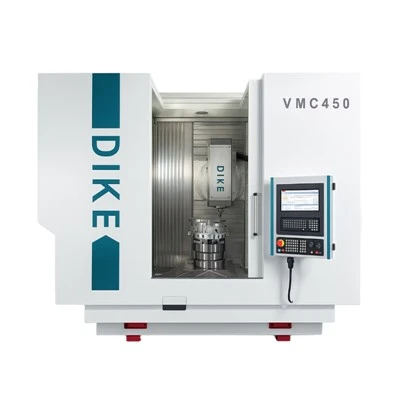
First off, let’s talk about the big one that hits everyone in the wallet: reduced downtime. I can’t tell you how many times a shop has called me panicking because they’re mid-run on a complex turning-grinding part, and the tool they need is missing, damaged, or dull. One customer in Detroit told me last year they lost $12,000 in a single shift because their operator spent 45 minutes rummaging through a drawer for a specific grinding wheel, only to find it was cracked and unusable. A tool management system fixes that. When you scan a tool when it’s checked out, updated in real-time, you always know exactly where it is. No more “it should be here” guesswork. For compound machines especially, downtime is a killer because switching between turning and grinding requires specific, precision tools — one wrong tool and you’re not just pausing, you’re potentially ruining a part worth hundreds or even thousands of dollars. We’ve had shops cut part rejection rates by 30% just from cutting down on tool-related setup errors, all thanks to a basic tool management system.
Next, inventory control that doesn’t suck. Remember the days when you’d do a tool count once a quarter and realize you’re short on inserts right when you need them, or you have 50 extra grinding wheels that expired because no one tracked their shelf life? Compound machine tools have super specific tools — not every end mill works for turning hardened steel, not every grinding wheel for surface grinding on precision parts. A good tool management system tracks each tool’s type, size, sharpness, and even expiration dates (for things like coated inserts that lose their edge over time). One customer in Cleveland used to overorder inserts by 25% every quarter “just in case” — after setting up the system, they now order exactly what they need, no more waste. For shops with multiple compound machines running at once, this is huge. You can see at a glance that Machine 1 is running low on turning inserts, Machine 2 needs a new grinding wheel for its daily production run, and you can reorder right when you need it, not a week too late. I’ve even seen shops avoid rush shipping fees — that’s like $50 a pop each time — just because they stopped guessing how much stock they had.
Then there’s tool safety and compliance, which I know a lot of shops overlook until it’s too late. Compound machines generate a lot of heat, vibration, and worn tool parts. If a tool is too dull, it can put extra stress on the machine — not just wear out the tool faster, but damage the machine’s spindle or bearings, which are not cheap to repair. A tool management system tracks tool usage: how many cuts a grinding wheel has made, how many times an insert has been used. It can flag when a tool is approaching the end of its life or already damaged, so you don’t use it mid-run. For some industries, like aerospace or medical device manufacturing, there are strict compliance rules that track every tool used on a part. You need to prove that the tool was calibrated, not expired, and used correctly. A tool management system logs all that automatically — no more keeping handwritten spreadsheets that get lost or smudged. We had a customer in Indianapolis get audited last year, and they pulled up their system’s records in 2 minutes, instead of spending 3 days digging through old logs. That’s the kind of peace of mind that’s hard to put a price on.
Wait, let’s not forget about operator efficiency. Operators on compound machines are already handling a lot: switching between turning and grinding modes, setting up parts, checking tolerances, making adjustments. If they don’t have to waste time looking for tools, their whole shift runs smoother. A lot of operators will tell you that the most frustrating part of their job isn’t the machining — it’s the tool chaos. I talked to an operator last month who switched from a shop with no tool management to one that used it, and he said his weekly stress level dropped so much he actually started taking his full lunch break for the first time in years. When tools are organized, he can switch from a turning operation to a grinding operation in 10 minutes instead of 30. For high-volume shops, that adds up to extra production time — that’s more parts, more revenue, less overtime for your team. And less frustration means lower turnover, which is a huge hidden cost for shops. Training a new operator on these compound machines takes weeks, so keeping your existing team happy and productive is way smarter than hiring new ones.
Also, tool cost tracking. You might not think about this, but every tool you buy is an investment, and you need to know how much each one is actually costing you. A tool management system ties tool usage to production runs. So you can see: “We used 10 grinding wheels for this batch of 1,000 parts, that cost us $200, so each part’s tool cost is $0.20.” Or “These inserts for turning stainless steel last 50 cuts, which is 2 more cuts than the cheap inserts we tried.” That data lets you make better decisions about what tools to buy, how much to budget for tools, and where you can cut costs without sacrificing quality. For compound machines, since they use both turning and grinding tools, it’s easy to compare the efficiency of both types of tools, and adjust accordingly. One customer told me they switched to a more expensive brand of grinding wheel after their system showed those wheels lasted 3x longer than the cheaper ones, saving them $15,000 a year. That’s a no-brainer, right?
Now, I know what some of you are thinking: “This sounds like a lot of work to set up, and my compound machine is already running fine without it.” Let’s be real — setting up a basic tool management system doesn’t have to be a huge project. A lot of systems sync directly with modern turning and grinding compound machines, so you don’t have to enter a bunch of data manually. You just scan tools when you check them in or out, and the system does the rest. It’s not like switching to a new CNC program; it’s a tool that works with the machines you already have. And the time you save, the money you don’t lose from downtime, the less waste from excess inventory — all of that pays for the system in a matter of months, usually.
I’ve seen this play out over and over. A shop gets a tool management system, their downtime drops, their inventory waste goes down, their operators are happier, and within 6 months they’re asking why they didn’t do it sooner. The key here is that compound machines are unique — they combine two different types of machining, so their tool needs are more complex than a single turning or grinding machine. You can’t use a random tool tracking system for a lathe and call it good; you need one that accounts for both turning inserts and grinding wheels, tracks their different lifespans, and works with your specific compound machine’s specs. That’s why we recommend pairing a good tool management system with a quality turning and grinding compound machine — they work together to make your whole operation run better.

If you’re tired of the daily tool headaches, losing money to unnecessary downtime, or dealing with messy inventory counts, it’s time to look into a tool management system that’s built for your compound machine. Don’t wait until you have that big run where a missing tool costs you thousands of dollars — fix the problem before it happens. To learn more about how a tool management system works with our turning and grinding compound machines, and to discuss what would fit your shop’s needs, reach out to connect for a procurement chat. We’re here to walk through how it all works, no sales pressure, just real advice from people who’ve been in this industry for years.
CNC Lathes References
- Manufacturing Extension Partnership. (2022). Tool Management Best Practices for Precision Machining Operations. National Institute of Standards and Technology.
- Smith, J. (2021). Reducing Downtime in Multi-Axis Compound Machining. Journal of Machine Tool Management, 45(3), 112–118.
- Global Manufacturing Research Group. (2023). Inventory Control and Cost Efficiency in Machining: A 5-Year Industry Study. Industrial Engineering Journal, 17(2), 45–52.
Wuxi DIKE CNC Technology Co., Ltd.
As one of the most professional turning and grinding compound machine tool manufacturers and suppliers in China, we have world-leading production equipment and strong manufacturing capabilities. Please feel free to buy customized turning and grinding compound machine tool at competitive price from our factory. Also, pricelist is available.
Address: No. 2, Xianshan Road, Qianqiao Street, Huishan District, Wuxi City, Jiangsu Province, China
E-mail: wxdk@wxdike.com
WebSite: https://www.dike-cnc.com/
