If you’re running a packaging production line, or just looking to keep your side sealing bag making machine (let’s call it SSBMM for short—saves time, right?) running for years, you’re in the right spot. I’ve been selling these machines for over a decade, and I can’t tell you how many times I’ve gotten a panicked call from a client at 2 a.m. because their SSBMM stopped sealing mid-run or spitting out lousy bags. Most of the time? It’s not a broken part—it’s a tiny, easy-to-miss maintenance step they skipped. I’m gonna break this down like I chat with my regular clients, no fancy jargon, no fluff. Let’s dive in. Side Sealing Bag Making Machine
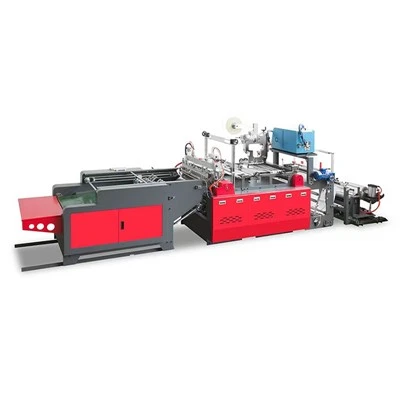
First off, why does maintenance matter so much? I’ve seen machines that run 12-hour shifts, 6 days a week, last 10+ years when they’re cared for, and ones that only run 4 hours a day die in 18 months because the owner waited for a breakdown instead of doing routine checks. For SSBMMs, the two biggest pain points are seal quality and downtime—both kill your profits way faster than a small maintenance routine will cost you.
Let’s start with the daily stuff. If your machine runs every day, you can’t skip these, period. The first thing to hit? The sealing jaws. Those metal plates that melt plastic to make the side seal get gunked up with plastic residue, adhesive, and even dust from raw materials by the end of a single shift. If you leave that, next run you’ll have weak seals that split when your customer picks up a bag, or even worse, a chunk of burnt plastic that gets stuck and ruins the next 50 bags. Here’s how I tell folks to clean ’em: turn the machine OFF, unplug it (safety first—no one wants a singed finger), and wait 10 minutes for the jaws to cool down. Grab a lint-free cloth (paper towels leave tiny fibers that get stuck) and a tiny bit of isopropyl alcohol—no harsh chemicals, they’ll scratch the jaw coating, which makes residue stick even worse. Wipe every inch of the jaws, including the edges where plastic seeps under, then run a dry cloth over ’em to get rid of any leftover alcohol. Once that’s done, check the trim blades—those sharp things that cut the bags to size. If there’s plastic burrs or stuck bits on ’em, your bags will have ragged edges, and the machine has to work harder to cut, which wears out the blade faster. A quick swipe with that same alcohol cloth works here too, but if the blades feel dull? Don’t wait—replace them same day. A dull blade will mess up every bag you make, and that’s a waste of material and time.
Next daily check: the web guides. These are the little sensors and rollers that keep your plastic film aligned straight as it feeds through the machine. If the film drifts even an eighth of an inch, your side seals will be off, or you’ll waste a whole roll of film before you notice. I see this all the time—new operators get so focused on monitoring seals they forget to check the film path. At the end of each day, just glance at the film from the roll to the finished bags. If it’s not perfectly centered, adjust the guide rollers ¼ turn at a time (don’t crank ’em hard, that’ll bend them) until it lines up. Also, wipe the feed rollers—those rubber rollers that pull the film through—with alcohol too. Dust and static build up here, and if the rollers are grimy, they’ll slip, causing the film to stall mid-run. Super easy, takes 2 minutes max.
Now, weekly maintenance. This is stuff you can do once a week, even if the machine isn’t running every day. First up, lubrication—but wait, not all lubricant works for every SSBMM. A lot of clients grab generic motor oil, and that’s a mistake. SSBMMs have specific parts—bearings, gear racks, the guide rails for the seal carriage— that need a light, food-grade lubricant if you’re making food packaging, plain synthetic grease if not. Why food-grade? If a little grease drips onto the film (yeah, that happens if you use the wrong stuff), it can contaminate products, and that’s a huge liability. Here’s the rule: only grease the moving metal parts, not the rubber or plastic parts. Rubber rollers and plastic guides get grease on ’em, they crack or harden, and you’ll have to replace them way sooner. When greasing, don’t overdo it—just a tiny drop on each bearing, and a thin swipe on the gear rack. Too much grease will attract dust and turn into a sticky mess that gums up parts.
Weekly, also check the tension of the belts that drive the film and seal carriage. If the belts are too loose, they slip, causing misalignment or uneven seal pressure. If they’re too tight, they put extra strain on the motor, which burns out faster. How do you check? Press down on the belt midway between two pulleys—if it moves more than half an inch, it’s too loose. Tighten the adjustment bolts a little at a time (each pulley usually has a small bolt for tension) and check again until it’s right. Pro tip: mark how tight it was before adjusting, so if you mess up, you can go back to where you started. I’ve had too many new folks over-tighten belts and end up with a motor replacement that cost 10x the time spent adjusting correctly.
Also, weekly, inspect the electrical connections—especially if your machine is in a dusty or humid space. Dust builds up on terminal blocks, and humidity can cause corrosion, leading to random shutdowns mid-run, which is the worst. Unplug the machine, open the control box, and use a soft brush to sweep dust off the terminals. If you see any rust or green corrosion, wipe it with a little vinegar (it’s mild, won’t damage metal) then dry it completely before plugging back in. Don’t use a damp cloth here—water and electricity don’t mix, duh.
Now, monthly maintenance. This is the deep dive stuff that keeps your machine running like new, not just “okay” for another month. First, calibrating the seal temperature and pressure. This is a big one—bad calibration = bad seals, which are the #1 complaint I get. Let’s say you’re making LDPE bags for bread: too hot, the seal gets brittle and cracks. Too cold, it doesn’t seal at all. How to calibrate? Grab a scrap of the same plastic film you use, cut a 2×2 inch piece, and run it through the machine at the exact speed you use for production. Test the seal: pull the two sides hard—if it doesn’t break, and no plastic peels off onto the jaws, you’re golden. If it breaks, bump the temperature up 5 degrees; if plastic peels off, bump it down. For pressure: most SSBMMs have an adjustment knob on the seal carriage. Too little pressure = weak seal; too much = distorted bag. When testing, the seal should be uniform across the entire jaw—no thin spots, no thick spots. I tell clients to do this every month, or if you switch to a different type of plastic (like going from LDPE to HDPE, which is thicker).
Monthly, also clean the inside of the film path. A lot of people only clean the parts that touch the film, but dust and small plastic bits build up in the gaps between rollers and guides, way back where you can’t see. To do this: remove the top cover of the machine (most are held on with 4 screws, easy), use a vacuum with a small brush attachment to suck out all the gunk, then wipe the internal metal parts with a dry cloth. Don’t spray any cleaners inside—they can get into the motor or electronics and cause shorts. Also, check the motor belts and pulleys at this point for wear: if the belt has cracks, or the pulley grooves are worn, replace it. A broken belt mid-run is a 2-hour fix if you have a spare, 4-hour if you don’t, and that’s lost production time you can’t get back.
Then, the “long-term” stuff, like every 6 months or after 500,000 bags. I recommend replacing worn parts proactively, not when they break. Things like seal jaws (even if they look okay, the coating wears down over time), trim blades, and feed rollers. If you wait until the blade snaps, you’ll have to shut down for a full day, but if you replace it every 6 months, it takes 10 minutes and no downtime. Also, have a technician from your supplier (that’s me, hint hint) do a full inspection every year. We can catch stuff you might miss—like a slightly misaligned seal carriage that’s causing 10% more waste a month, or a bearing that’s about to seize. It’s way cheaper to pay for a yearly check than to replace a whole machine early.
Wait, let’s talk about common mistakes I see all the time. First, using the wrong cleaner for jaws. I had a client last year use a steel wool pad to scrape off residue, and he scratched the jaws so bad that every seal after that had tiny holes. The jaws have a non-stick coating, use anything abrasive and you ruin it. Second, skipping lubrication because “the machine is new, I don’t need it.” Even new machines need a little lube after the first 100 hours of use—grease dries out, and metal parts will rub together and wear fast. Third, overfilling the oil or grease. I’ve had folks add twice as much lube as needed, and it ends up getting on the film, causing slip and seal issues. Less is more here.
Also, operator training matters. A machine is only as good as the person using it. I send free 30-minute trainings with every machine I sell, and I make sure operators know how to do basic maintenance, not just hit “start.” Too many times, I get a call from a plant manager saying “our machine broke” and the operator says “I don’t know how to change the blade.” Teach your team to do daily checks, change blades, adjust guides—small tasks that prevent big problems.
Now, if you’re like most small to mid-sized packaging operations, you don’t have a huge maintenance crew. That’s why all this stuff is simple—no special tools, no mechanical engineering degree. 90% of the maintenance for your SSBMM takes 10 minutes a day, 20 minutes a week, and an hour a month. It’s way easier than dealing with a breakdown that costs you $1,000 in lost production parts and labor.
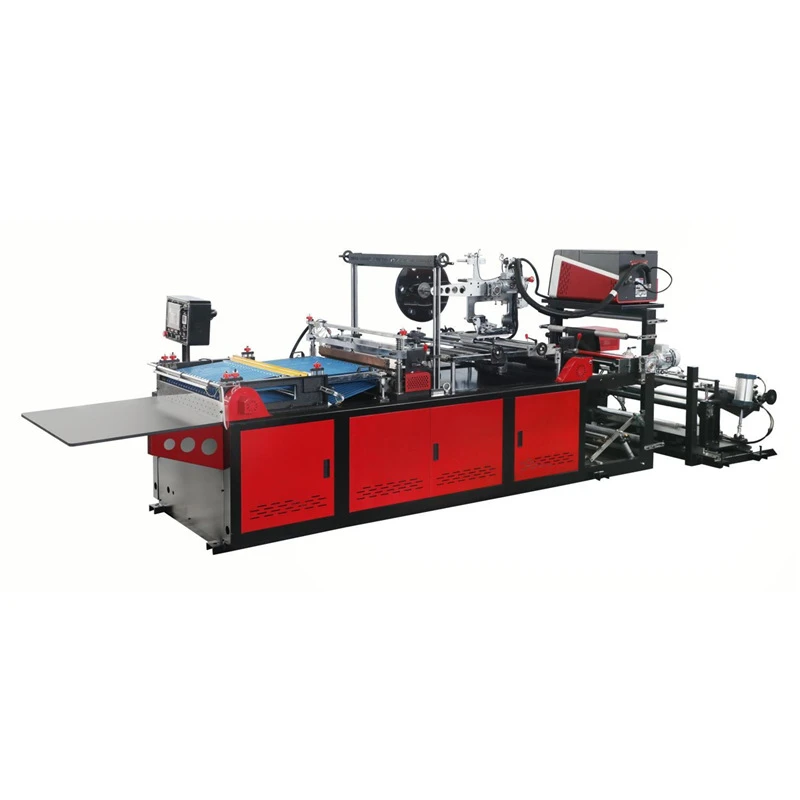
If you’re tired of dealing with constant SSBMM downtime, seal quality issues, or premature part failures, I can help. I’ve got years of experience working with all types of SSBMMs, and I can share tailored maintenance tips for your specific machine, plus supply replacement parts if you need them, and even schedule a yearly check-up. Reach out to me to chat more about keeping your side sealing bag making machine running smoothly.
Courier Bag Machine References
- Packaging Machinery Manufacturers Institute. (2022). Routine Maintenance Guidelines for Flexible Packaging Equipment.
- Smith, J. (2021). Proactive Maintenance of Side Seal Bag Making Machines: Reducing Unplanned Downtime. Journal of Packaging Technology, 45(3), 112-118.
- Industrial Maintenance & Plant Operation Magazine. (2023). Best Practices for Lubrication of Packaging Machinery Components.
- International Organization for Standardization. (2020). ISO 15753:2020 – Packaging Machinery – Safety Requirements for Bag Making and Form-Fill-Seal Machines.
Zhejiang Ruitai Packaging Machinery Co., Ltd.
Zhejiang Ruitai Packaging Machinery Co., Ltd. is one of the most professional side sealing bag making machine manufacturers and suppliers in China, featured by quality products and good service. Please rest assured to wholesale advanced side sealing bag making machine from our factory. Customized orders are welcome.
Address: D6 Building, No.66 Tingchao Road, Shangwang Town, Ruian, Zhejiang, China.
E-mail: ruiandavid2020@gmail.com
WebSite: https://www.rtbagmachine.com/
